Asia Pacific
How to Hire in Australia
Since 1 July 2026, 12% super must reach the fund within 7 business days of payday. We priced an A$120,000 offer, eight payroll tax tables, four...
Read the Australia guide →
One guide per country, built from statutes and checked against what providers publish. See what an employee really costs, which rules apply, and whether an employer of record or your own entity makes sense.
Since 1 July 2026, 12% super must reach the fund within 7 business days of payday. We priced an A$120,000 offer, eight payroll tax tables, four...
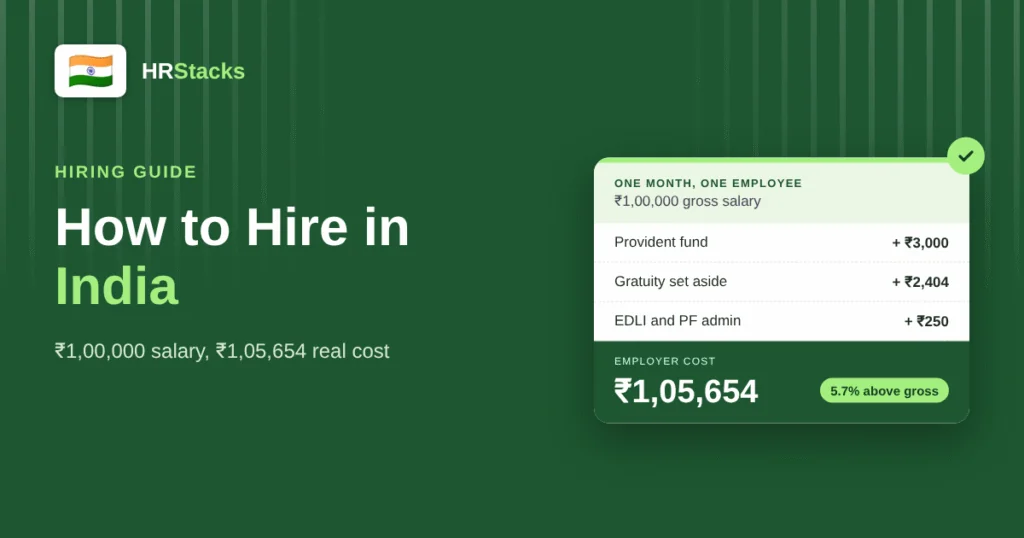
Read the Australia guide →How to hire in India after the Labour Codes and the ₹25,000 PF ceiling: a worked offer, six state rules, exit costs and when your own...
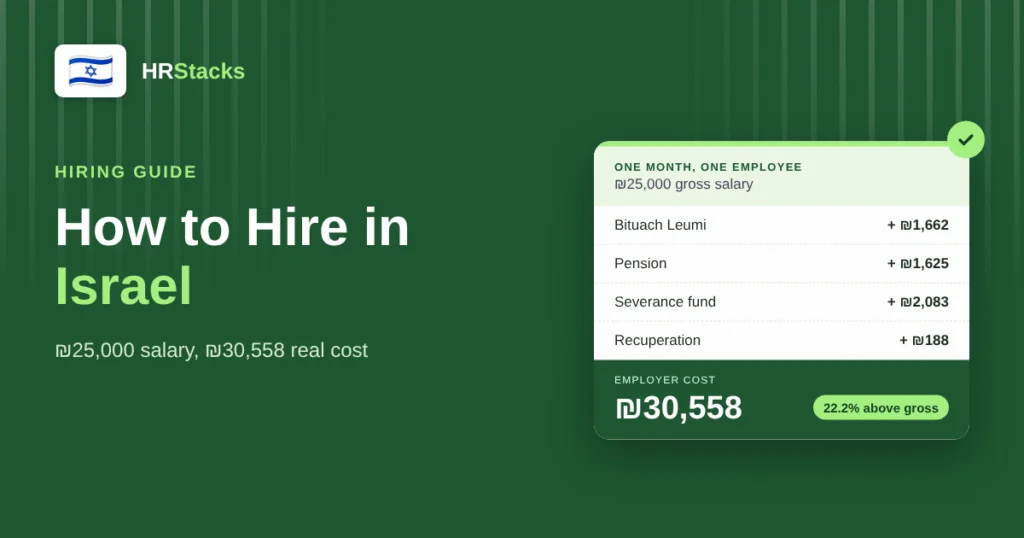
Read the India guide →How to hire in Israel in 2026: a ₪25,000 salary priced line by line, the national insurance rise, Section 14 severance and when your own company...
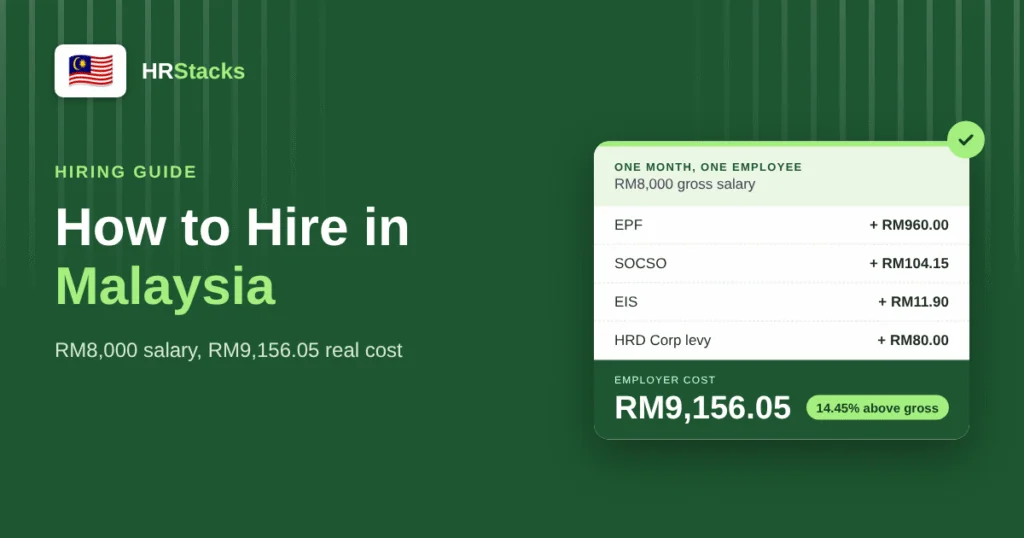
Read the Israel guide →How to hire in Malaysia in 2026: EPF, SOCSO and EIS in ringgit, the RM5,000 Employment Pass floor for foreign staff, exit pay, regional rules and...
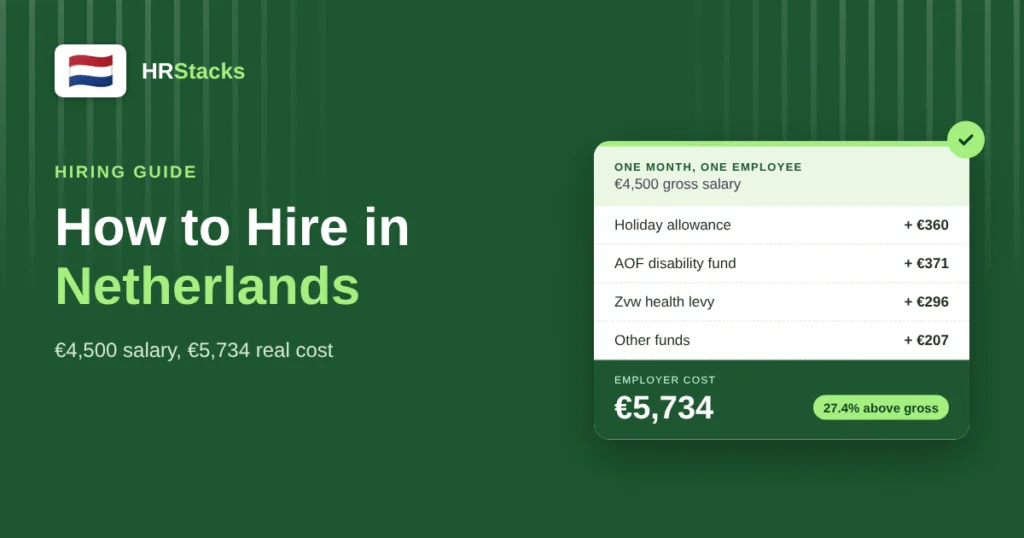
Read the Malaysia guide →A €4,500 Dutch salary costs €5,734 a month in 2026 before pension. We worked the 2026 premiums line by line, priced the 27% expat ruling that...
Read the Netherlands guide →Four regions raised their pay floor between September and October 2026. We priced a ₱60,000 hire line by line, compared 17 regional floors, checked 12 EOR...
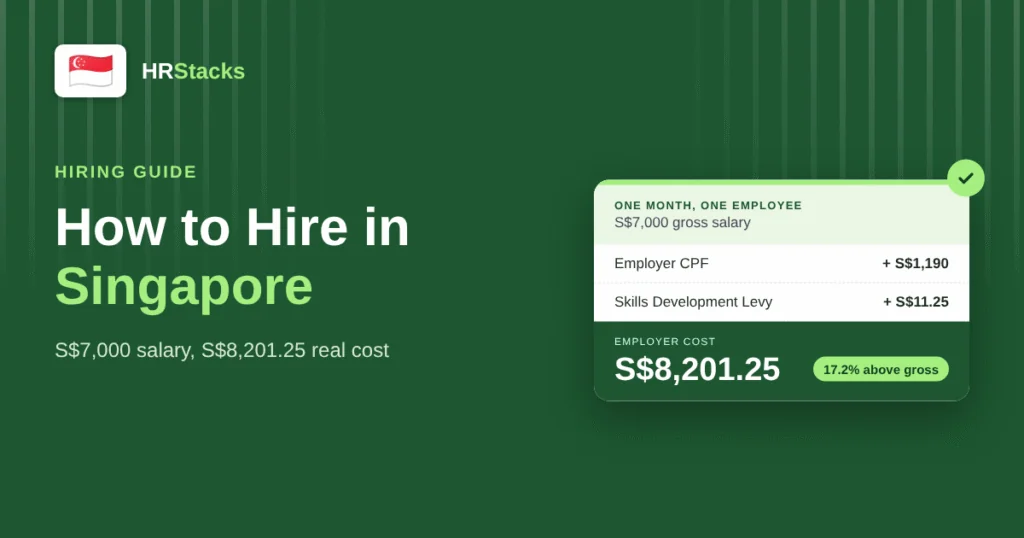
Read the Philippines guide →How to hire in Singapore in 2026: CPF on the S$8,000 ceiling, rates by age, EOR fees from $199 to $699, the two-staff break-even and Employment...
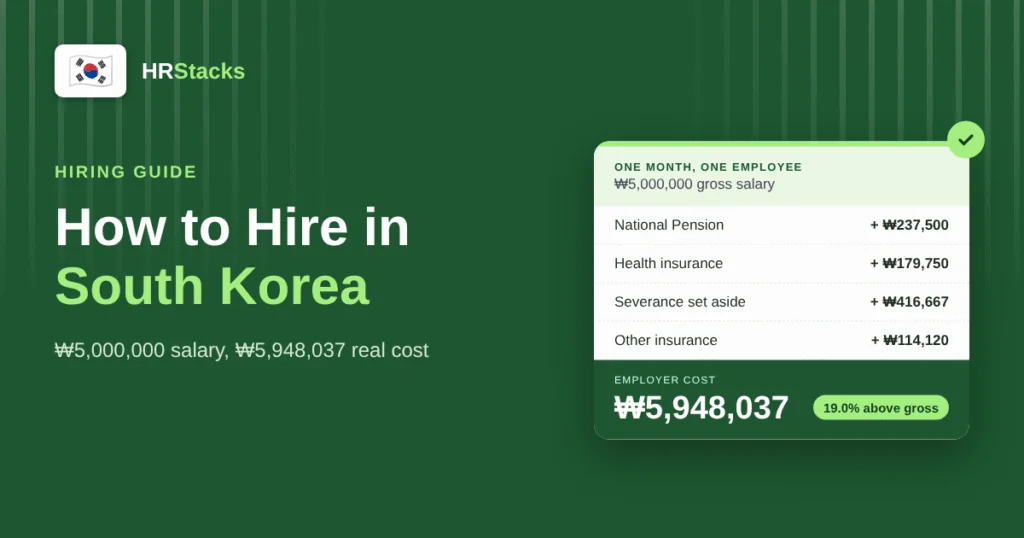
Read the Singapore guide →A ₩5 million Korean salary costs ₩5,948,037 a month once the four insurances and the severance set-aside are counted. We priced the 2026 pension rise, exit...
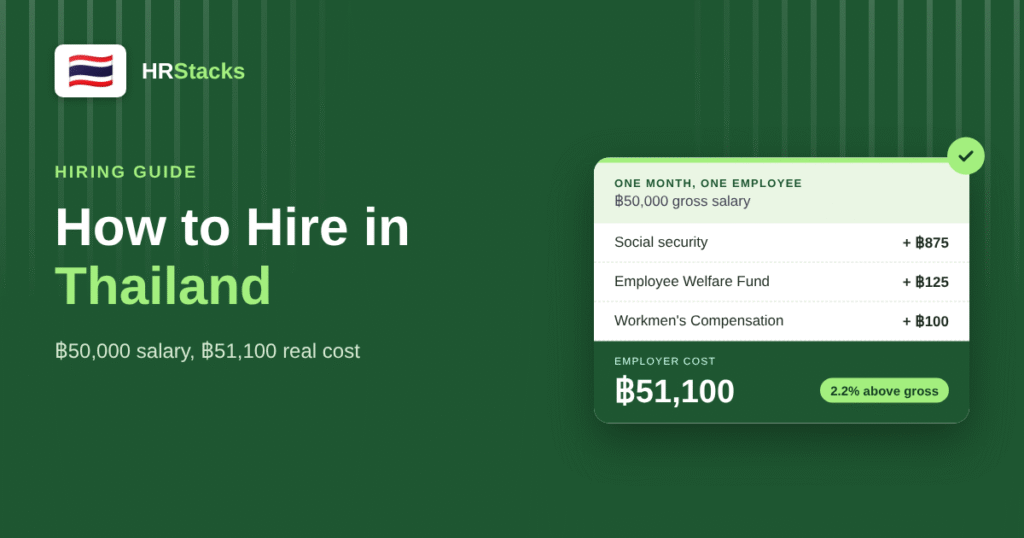
Read the South Korea guide →How to hire in Thailand in 2026: the ฿17,500 social security base, 17 provincial minimum wages, severance in baht, work permit rules and EOR fees from...
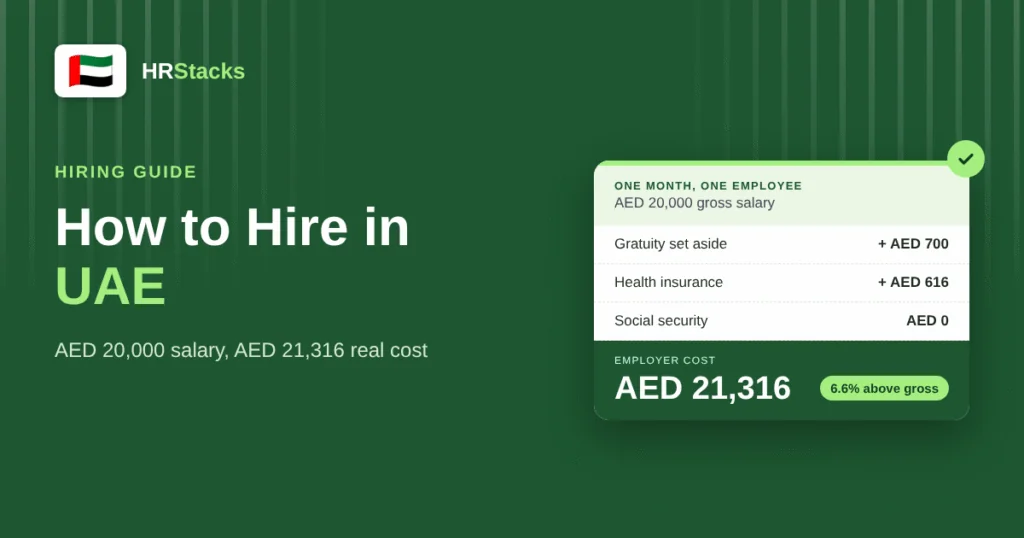
Read the Thailand guide →How to hire in the UAE in 2026: gratuity, health insurance, the AED 120,000 Emiratisation charge, mainland vs DIFC and ADGM rules, and EOR fees.
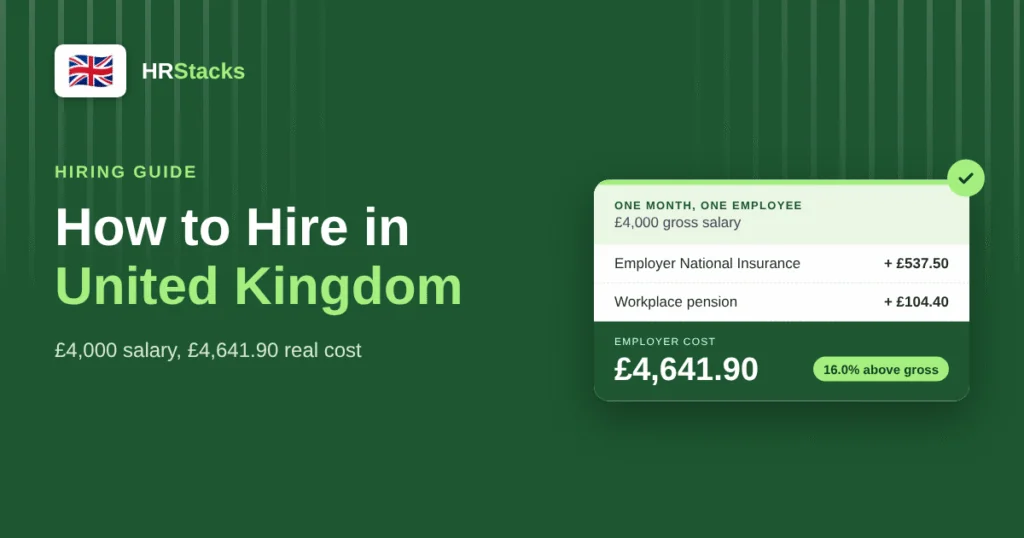
Read the UAE guide →A £48,000 UK hire costs £55,702.80 a year before any EOR fee. We priced it under the 2025 National Insurance rise, compared the four UK nations...
Read the United Kingdom guide →Vietnam raised its insurance cap in July 2026 and a 2027 minimum wage rise is in draft. We priced a VND 40 million developer, mapped the...
Read the Vietnam guide →The same questions answered in every country, so you can compare markets without learning a new layout each time.
Social security, health, pension and mandatory bonuses applied to one worked salary, with every cap shown.
Minimum wage, working hours, probation and contract rules, including where regions or sectors set their own.
Statutory leave, public holidays and the benefits an employer must provide before any perks.
Notice periods and severance priced for several lengths of service, so the cost is known before you hire.
Which permit applies, who files it and how long it takes in practice.
Published provider fees, who holds the contract locally, and the headcount where a company becomes cheaper.
Figures are calculated in code, matched against statutes and circulars, and dated on each guide so you can see how fresh they are.

Once you know the country, these pages help you choose how to employ and pay the person.
Tell us where you are hiring. We write the guides people ask for most first.
Short answers. Each country guide has the detail.
Use an employer of record (EOR). It becomes the legal employer in the country, runs payroll and pays statutory contributions, while you manage the day-to-day work. Each country guide shows published EOR fees and which providers say they employ through their own local entity.
It depends on the country. Social security, health and pension contributions, mandatory bonuses and paid leave all add to the base salary. Each guide works through a real salary line by line so you can see the total employer cost before you make an offer.
Usually once you employ several people in one country and can carry setup and running costs. The guides show where that point falls at published EOR fees, and flag capital requirements and registration time that headline numbers leave out.
In most countries, yes. The permit type, who applies and the processing time vary. Each guide has a work permit section covering the current route and what to expect on timing.
We currently cover Australia, India, Israel, Malaysia, Netherlands, Philippines, Singapore, South Korea, Thailand, UAE, United Kingdom, Vietnam. New guides are added as each country is researched, and this list updates when they go live.
We recheck a guide whenever a contribution rate, minimum wage order or permit rule changes, and each guide shows the date its figures were last checked.